Whole School Curriculum
Curriculum Intent
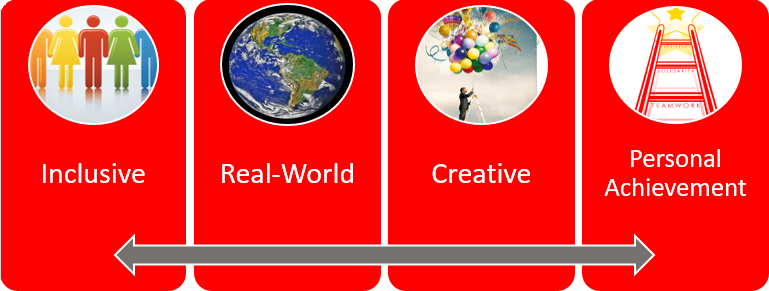
Our curriculum is the beginning of a long and exciting journey that will bring personal achievement and resilience
Curriculum Information
Our children follow the National Curriculum and learn to read through the Little Wandle Letters and Sounds Revised phonics programme, which provides a structured and systematic approach to early reading and writing.
Children take part in collective worship twice a week and benefit from opportunities to hear from visiting speakers, as well as members of school staff. Each class leads a celebration assembly during the year, showcasing an aspect of their learning linked to the curriculum. Parents and families are warmly welcomed to attend these special events.
Religious Education is taught as a discrete lesson each week, following the agreed Dudley Agreed Syllabus for Religious Education. Through RE, children develop their understanding of different faiths, beliefs and worldviews, while fostering respect, curiosity and reflection.
We follow a broad, ambitious and engaging curriculum that is designed to meet the needs of our pupils. Whilst subjects are taught discretely to ensure progression of knowledge and skills, meaningful links are made across the curriculum where appropriate. Learning is enriched through educational visits, themed events, enrichment activities and specialist visitors.
Computing is taught through a dedicated programme of study that develops pupils' digital literacy, computer science and information technology skills. Children also regularly apply these skills across the wider curriculum. As part of our commitment to digital education, pupils are taught how to stay safe online through our online safety curriculum, including learning about the four key areas of Content, Contact, Conduct and Commerce, helping them to navigate the digital world confidently and responsibly.
In Reception, children follow the statutory Early Years Foundation Stage (EYFS) Framework. The EYFS provides the foundations for future learning by supporting children to develop across the seven areas of learning through a balance of adult-led activities and child-initiated play.
Writing is taught using The Write Stuff approach, developed by Jane Considine. This evidence-informed approach supports children in developing their ideas, vocabulary, sentence construction and writing stamina, enabling them to become confident and successful writers across a range of genres and purposes.
In Key Stage One and Key Stage Two, mathematics is taught through the White Rose Maths scheme, underpinned by a Teaching for Mastery approach. This ensures that children develop a deep understanding of mathematical concepts, make connections in their learning and build fluency, reasoning and problem-solving skills. To further strengthen number fluency and confidence, children also benefit from programmes such as Mastering Number, Number Sense and MAGMA Maths, which support the development of strong mathematical foundations and secure number knowledge.
English and Mathematics are taught daily to ensure children develop strong foundational skills, knowledge and understanding. Teaching is carefully adapted to meet the needs of all learners, enabling every child to achieve their full potential.
Further information about the National Curriculum can be found using the link below.