
Online Safety at Hurst Hill Primary School
At Hurst Hill Primary School, safeguarding children in the digital world is a priority. Online safety is taught weekly throughout the academic year and is embedded throughout our wider curriculum to ensure every child develops the knowledge, skills and confidence needed to use technology safely, responsibly and respectfully.
Our bespoke Online Safety Curriculum is carefully mapped and sequenced across all year groups, ensuring that learning is age-appropriate and builds progressively over time. The curriculum has been developed using guidance from Keeping Children Safe in Education (2026), Education for a Connected World, and the Government's guidance on Artificial Intelligence (AI) and digital literacy for primary-aged children.
Children revisit and deepen their understanding of key online safety concepts throughout their time at Hurst Hill. Our curriculum covers a wide range of important themes, including:
- Self-Image and Identity
- Online Relationships
- Online Reputation
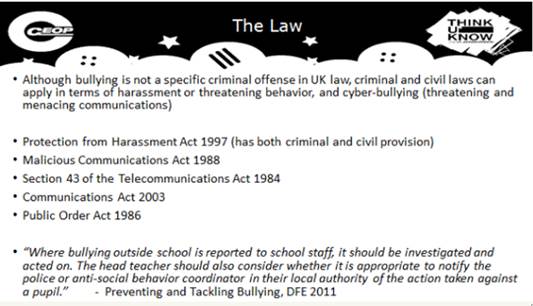
- Online Bullying
- Managing Online Information
- Health, Wellbeing and Lifestyle
- Privacy and Security
- Copyright and Ownership
- Artificial Intelligence (AI) and Emerging Technologies
In addition, children are taught through the Government's 4Cs Framework for Online Safety, helping them understand the different types of risks they may encounter online:
Content
Children learn that not everything online is suitable, accurate or trustworthy. They develop the skills to identify misinformation, recognise age-inappropriate content and make safe choices about what they view, read and share online.
Contact
Children learn how to communicate safely online and understand the risks associated with interacting with people they do not know. They are taught how to stay safe when using games, messaging services and online platforms and how to seek help if they have concerns.
Conduct
Children learn the importance of behaving respectfully and responsibly online. This includes understanding online bullying, maintaining positive online relationships, protecting their online reputation and demonstrating good digital citizenship.
Commerce
Children learn about the commercial aspects of the online world, including advertising, online purchases, in-app spending, subscriptions, scams and persuasive design. They develop an understanding of how businesses use technology and how to make informed and safe choices online.
Through regular lessons, discussions, assemblies and real-life scenarios, pupils learn how to:
- Stay safe when using websites, apps, games and online platforms.
- Develop positive and respectful online relationships.
- Manage personal information safely and securely.
- Recognise online risks and know how to respond appropriately.
- Evaluate online content and identify misinformation.
- Understand their digital footprint and online reputation.
- Use emerging technologies, including Artificial Intelligence (AI), safely, responsibly and ethically.
- Report concerns and seek support when something online makes them feel worried or unsafe.
Our approach ensures that online safety is not taught as a one-off event but as a continuous and meaningful part of school life. By equipping pupils with strong digital citizenship skills, we prepare them to thrive safely in an increasingly connected world.
We work closely with pupils, parents, carers, staff and external agencies to create a culture where technology is used positively and safely whilst promoting the highest standards of digital wellbeing.
SMART Rules
At Hurst Hill, children are taught to remember the SMART Rules whenever they are online:
S - Safe
Keep personal information private.
M - Meeting
Never meet someone you have only spoken to online without a trusted adult present.
A - Accepting
Do not open messages, links or files from people you do not know.
R - Reliable
Not everything online is true. Always check information with a trusted adult.
T - Tell
Tell a trusted adult if anything online makes you feel worried, upset or uncomfortable.
How Can Children Stay Safe Online?
We encourage all children to:
- Be kind and respectful online.
- Follow the SMART Rules at all times.
- Use child-friendly search engines where appropriate.
- Never share passwords or personal information.
- Only use age-appropriate apps, games and websites.
- Think carefully before posting, sharing or commenting online.
- Tell a trusted adult if something online worries them.
- Seek support through organisations such as CEOP, Childnet and the NSPCC when needed.
Online Safety Advice for Parents and Carers
Parents and carers play a vital role in helping children stay safe online. At Hurst Hill, we are committed to supporting families in understanding both the opportunities and risks that technology presents.
We provide support through:
- Parent workshops and information sessions.
- Online safety assemblies involving parents and children.
- Parents' evenings and consultation events.
- Newsletters and ParentMail communications.
- School website resources.
- Guidance from local safeguarding partners and police officers.
We encourage parents and carers to:
- Follow the guidance outlined in the Hales Valley Trust Online Safety Policy.
- Model positive and responsible technology use.
- Set age-appropriate parental controls and privacy settings.
- Agree clear family expectations for online behaviour and screen time.
- Follow PEGI age ratings and app age restrictions.
- Have regular conversations about online safety.
- Understand the risks and consequences of online bullying and harmful online behaviour.
- Monitor the apps, games and platforms their children use.
- Encourage children to talk openly about their experiences online.
Helpful Online Safety Resources
CEOP (Child Exploitation and Online Protection Centre)
https://www.ceop.police.uk/Safety-Centre/
Childnet
Internet Watch Foundation (IWF)
Report Harmful Content
https://reportharmfulcontent.com/
NSPCC Online Safety
https://www.nspcc.org.uk/keeping-children-safe/online-safety/
Working with External Agencies
Hurst Hill Primary School works closely with local safeguarding partners, community police officers and early help services to support children, families and staff in understanding online safety, emerging technologies and digital risks.
External visitors regularly support our curriculum through workshops, assemblies and awareness sessions, helping our school community stay informed about current online safety issues and best practice for keeping children safe online.
Need Further Support?
If you have any questions, concerns or would like advice regarding online safety, digital wellbeing, social media, gaming, cyber security or Artificial Intelligence, please do not hesitate to get in touch.
Mr Brazier, Senior Digital Lead for Hales Valley Trust, is always happy to support pupils, parents, carers and staff with any online safety concerns or questions.
If you need advice or support, please contact the school office and ask to speak with Mr Brazier.
Useful Websites For Online Safety Advice